
How2GetUrMusicHeard:Part Three
The D.A.W. Mentality

The music producer is at the helm of creativity. He or she will make constant decisions on various aspects of the final project. The recording process is always in a state of inertia. This means we are free to ad-lib to a project as long as the timeline is met. This next lesson will focus on workflow and and the tools at our ready for production completion.
The computer has ushered in the DAW in music recording and performance as well giving producers more cost effectiveness. The DAW (short for digital audio workstation)has been in use by most artist and producers today. A computer and a downloaded version of the DAW of choice will make the recording process a bit smoother and less time-consuming. Gone are the days of hardware pieces such as my old trusted Snead the Boss BR1600. The use of the DAW makes this little monster almost obsolete. Though I still use the BR1600 for music cataloging still today.
I digress. With a computer and say a download of Ableton Live Lite(which can be had freely) you can start recording immediately. Other free examples are Audacity and Apple’s Garageband.
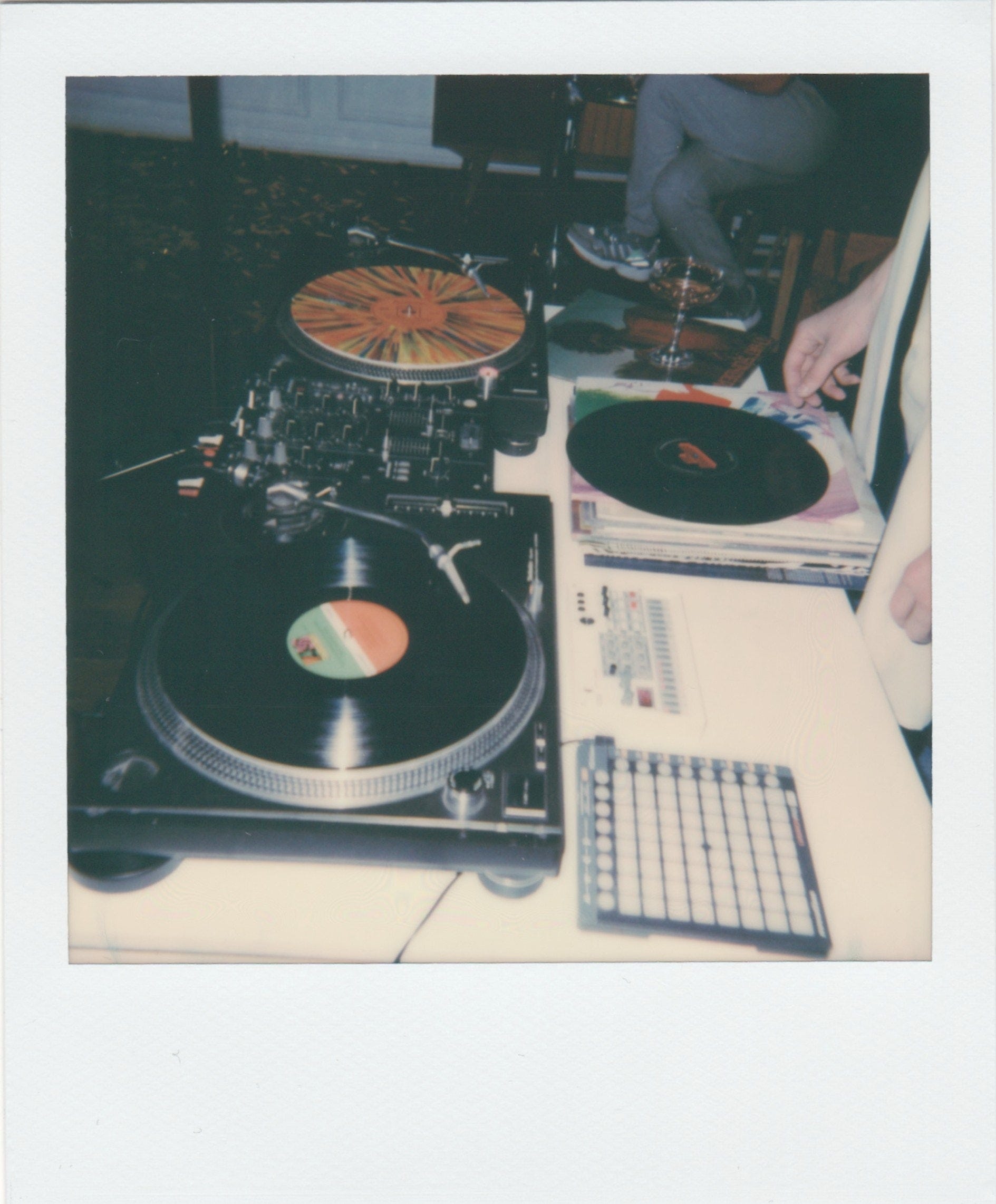
If you wish to purchase there are music production software like PreSonus Studio One,Steinberg Cubases,Apple’s Logic Pro X, and ProTools(AVID). Ableton also has a paid version which is great as not just a recording tool but also for performers in a live setting, hence the name “Live”. This I would recommend to DJs,Beatmakers and anyone who chops music samples. I would be remiss if I didn’t mention my spinners. The DJ is becoming a star player on the music production team as well. The hardware and software integration is handled seamlessly by companies like Serato DJ as well as Virtual DJ and Panasonic to list a few. DJs must also learn how to use CD decks and turntables for mixing and performing. The tools in DJaying can often replicate music production in a sense that you create a “set” that your audience will engage in for dancing or just listening. There are software/ hardware products by Native Instruments that will allow one to mix tracks and perform as well as record as a live mixer/DJ. The possibilities have become quite interesting for today’s DJ.
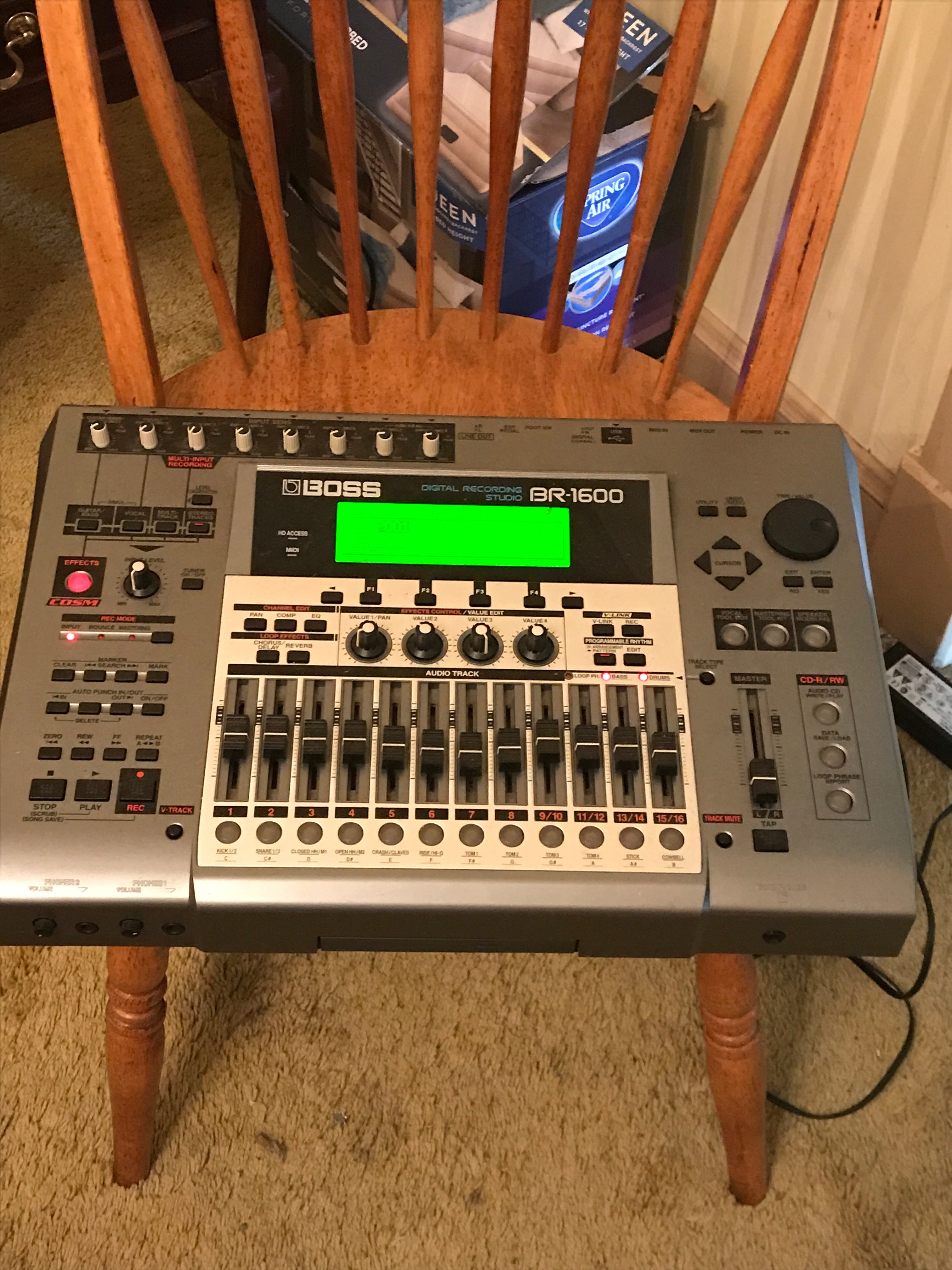
Now we see how with a computer and the right software we can began to think like a music producer.
The other option if your are on a budget is Apple’s iPad. I personally have been amazed by it’s easy of use(workflow)and the many apps that can give a producer a sort of jumping off point for song ideas. I likened it to my cassette days and the little four track recording devices of the eighties and nineties. The iPad has so much moxie and it comes with its on Garageband version. I have Arturia’s iProphet, iMini, and iSEM downloaded and the sound of these apps are almost too realistic. And while I have mention some of my favorite music making apps there are plenty to discover. Do check out one of the leaders in the game of iPad music,Jakob Haq,aka HaQ AttaQ. This young man is a “beast” on an iPad.
One particular app that comes to mind is Audioshare. This is great for note taking,compressing music files, and it even records! Oh did I mention that there is a free version of Audacity for PC and MacBook users? I started one of my first productions on Audacity. I have not use it of late so anyone care to update me on Audacity I would appreciate your comments.
https://www.native-instruments.com/en/
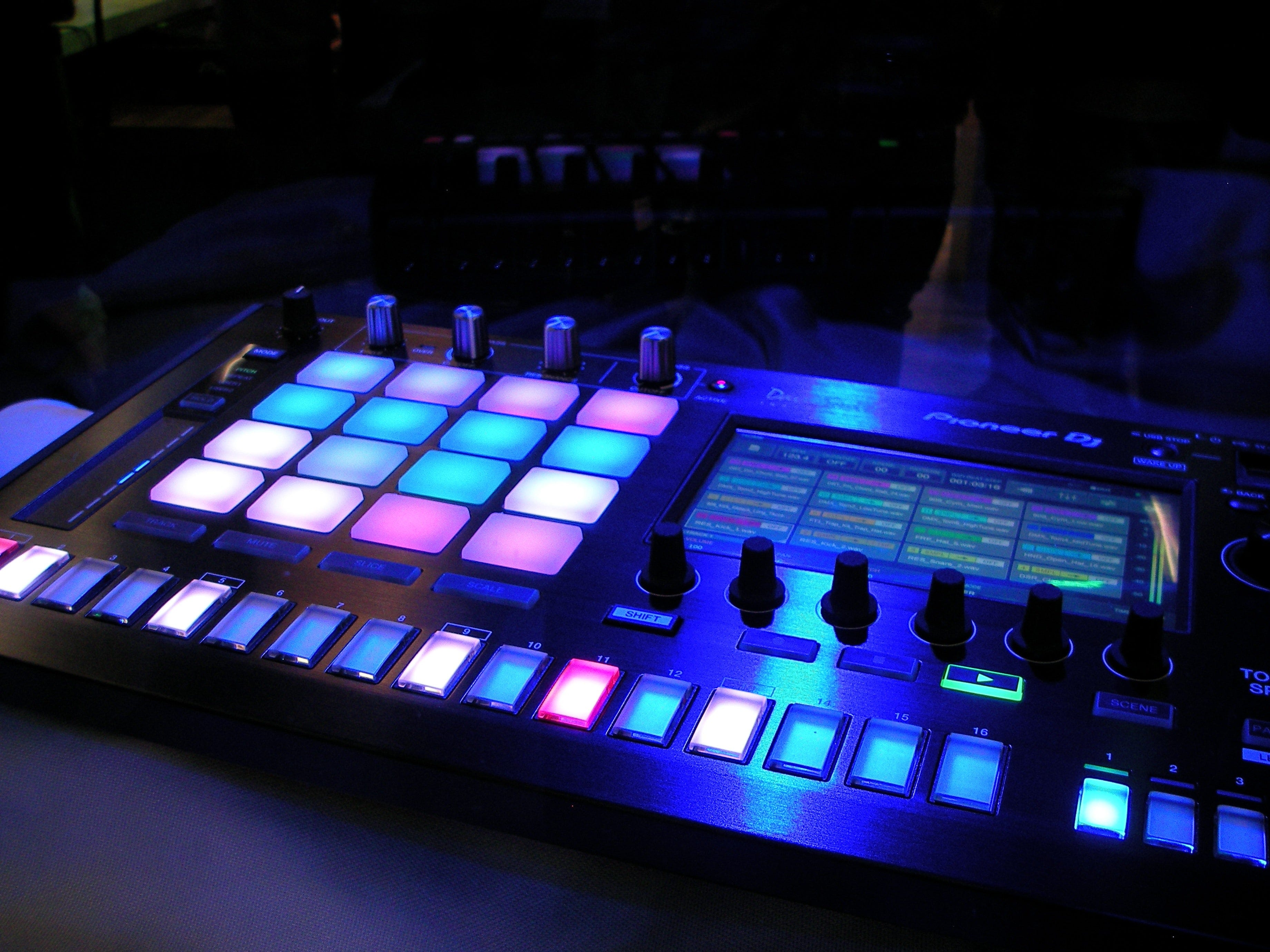
If we may conclude, this lesson is about hardware and software usage in modern day music production.I urge you to integrate as many techniques that you can into producing the best music possible. Join.Join.Join. Become a member with as many forums that will guide you and give you knowledge of music production. Sites like Music Radar, Korg, Roland, and others mentioned earlier will give product reviews and help you make intelligent choices about how you will produce your next hit song.
I posed a question earlier on whether hardware will be replaced by software as the means to produce music in the future ? My answer is probably not because humans are tactile creates and human touch accounts for so much,do you agree? That is why I recommend you guys go out and learn an instrument if you have not done so. The reasons are far too clear and far too vast to put in this newsletter. It suffices me to say that learning a musical instrument will enable you to relate to how music is process by one’s ears. The ears will start to adjust to subtle changes in pitch and tone. The music producer will be able to relate to music theory and how a piece of music is structured.i.e.,song form and chord placement. There is specially a need for the sound designer to grasp the concept of Analog synthesizers. A basic knowledge of synths can become invaluable to the sound designer as well as the musician/music
producer.Please leave me comments on this subject. I believe we are exploring a new frontier in music education. I started out as a Music Therapist as trade and found that music making was my passion. Go find your passion and start producing,now.
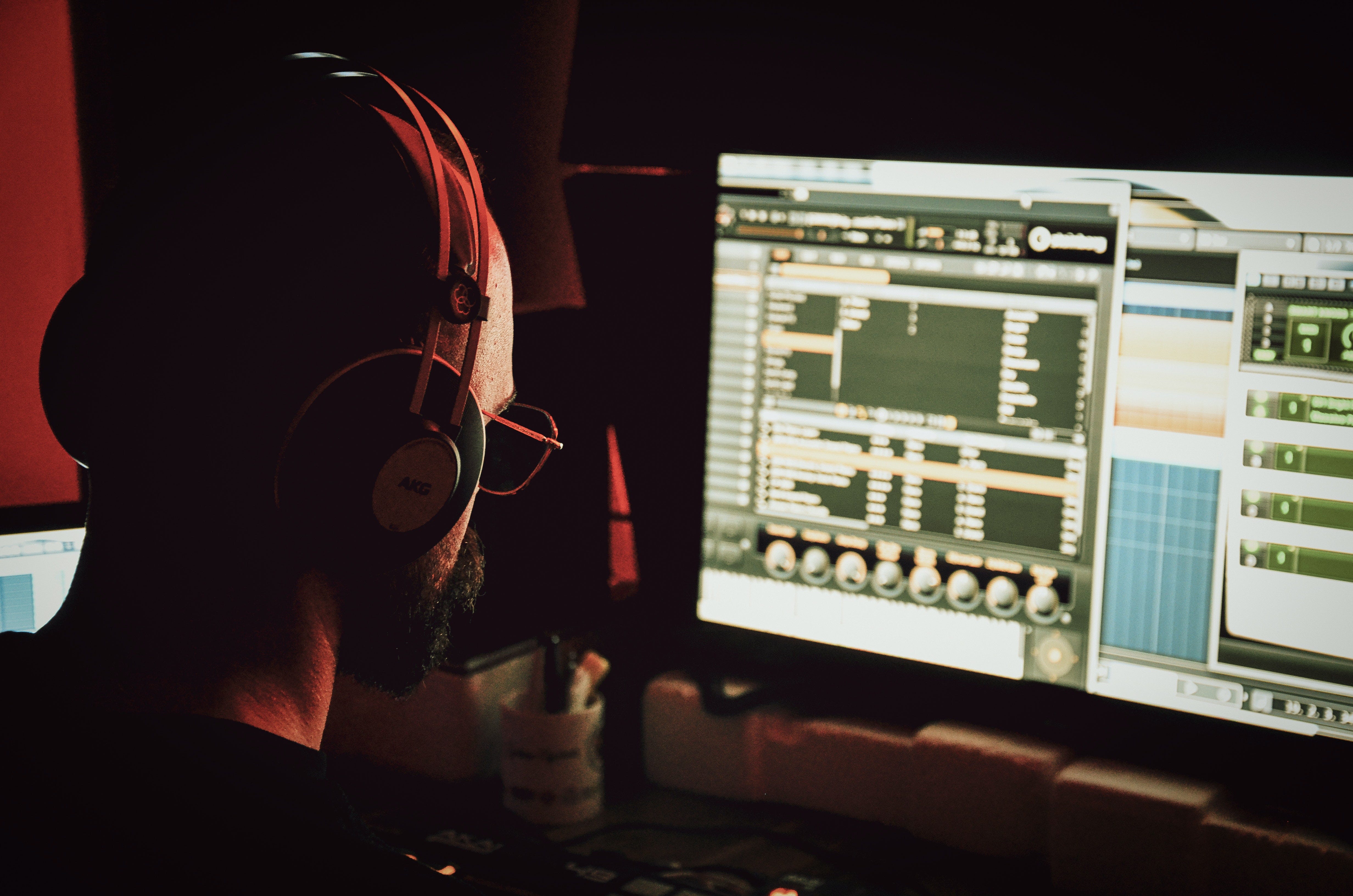
Here I leave sources to share on our journey.
https://www.synthmaster.com
https://alibimusic.com
https://www.arturia.com
https://www.musicradar.com
https://novationmusic.com/en
https://www.korguser.net
https://serato.com/
https://www.virtualdj.com
Stick and Stay Tune4More!!!Thank you one and all and keep rockin’.
Now let us get to some vocalese lessons , what do you say? Some tips for getting your microphone in tune to your voice. One way is to make the lead vocal track stand out by duplicating the track(remember), then try and filtering the highs and high med-range and blend the two tracks back into the original. We can give an original track a hint of vintage sounds, thus making it warmer with a small amount of distortion in the mix.You guessed it. Duplicate the vocal track then blend the distortion track with the dry vocals.
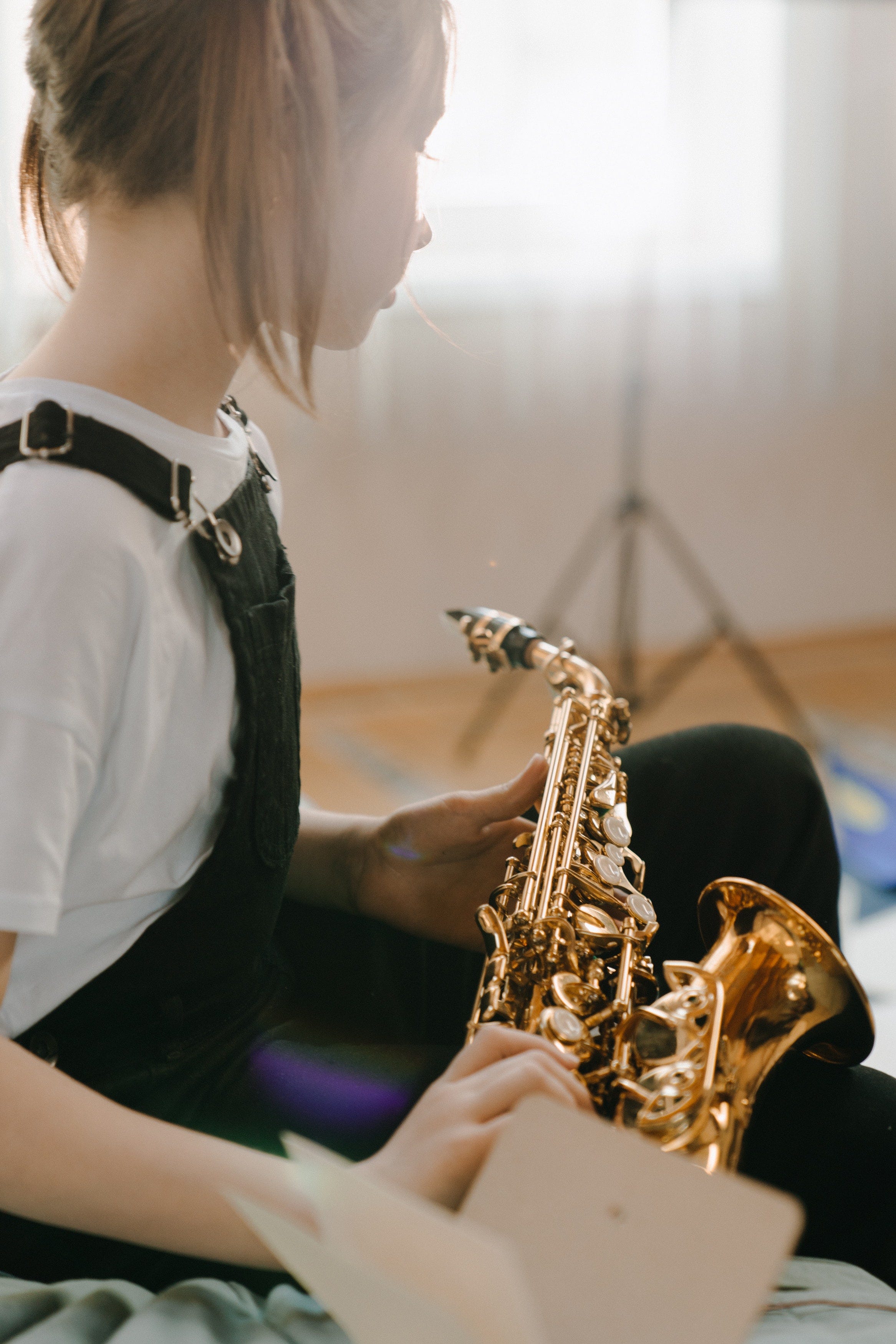
I hope you keep the experimentation alive in your tracks. This will give you a sketchpad to go to when the need arises. The big players here again are EQ, Compression, and Reverb. Fleetwood Mac was such masters of the latter. Don’t you just love Stevie Nicks vocals as well as the entire groups use of reverb. It’s worth a listen.
Try a bit of EQ and Compression to give your vocals a sense of air. This will work by adding a high pass filter at 110Hz, boosting at -12Hz, then compress at 12db. Now for a little de-esser to smooth out the vocals a bit.
Please comment if you must and let me know what is working for your music.
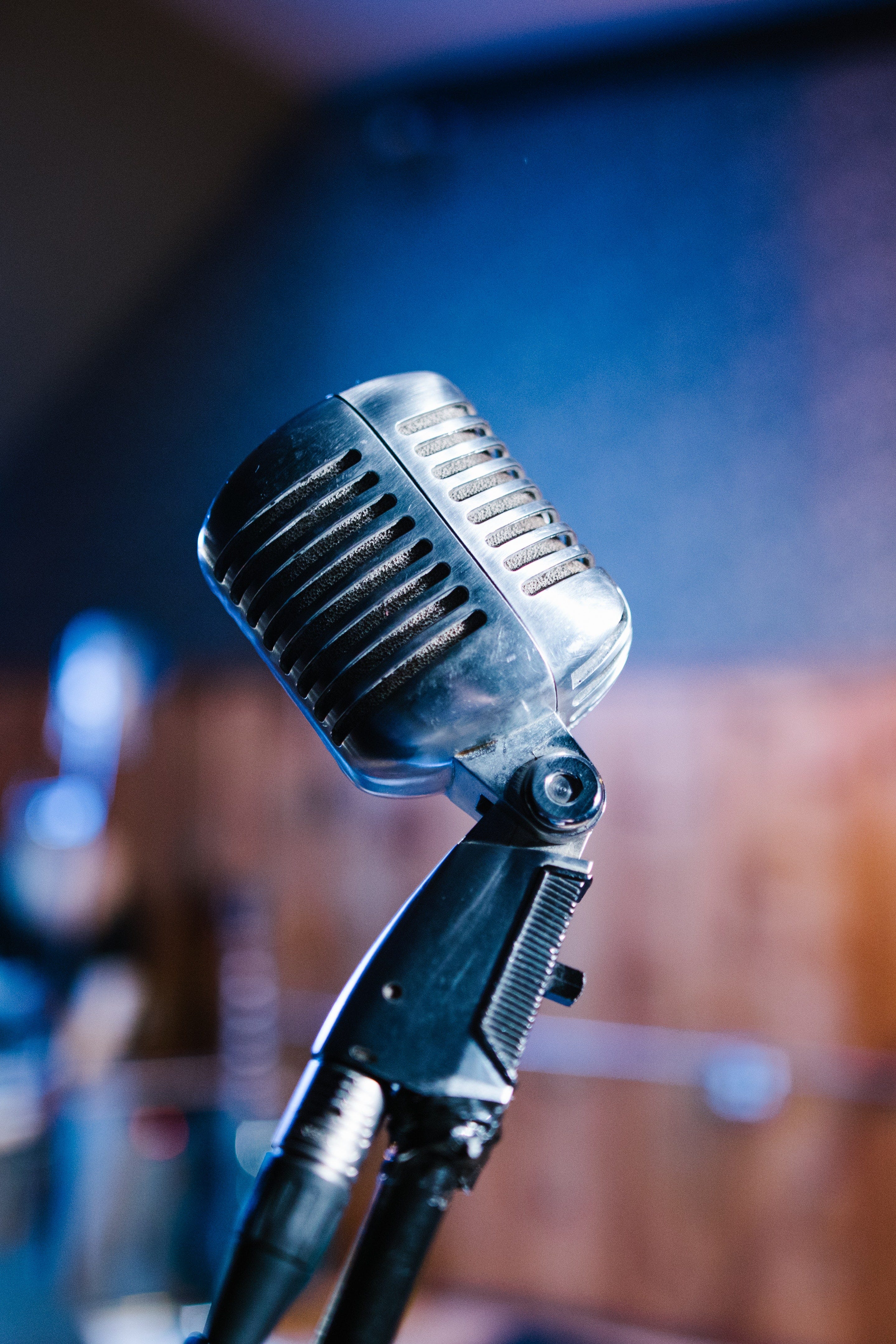
Images and photos provide by the author, Pexels, and Upslash respectfully.
Thanks for all the ears at Alibi Music,LoveUGuys!